


Late-night wine is a different pleasure from dinner wine. The table is cleared, the pace slows, and you are probably pouring a smaller glass than you would at seven o’clock. A bottle that felt generous with roast chicken can feel heavy at midnight: too warm, too tannic, too insistent. The goal is not to find the most impressive label in the cellar. It is to find something that rewards slow, quiet sipping—a wine with enough freshness to keep your attention and enough restraint to let you stop after one glass. Four dials matter most: body, acidity, sweetness, and alcohol. Learn how they behave after dark, and the choice becomes much simpler. A good late-night bottle should feel like a low lamp rather than an overhead light: present, flattering, and easy to turn off.
Begin With the Hour, Not the Label
Before you scan the shelf, decide what the next hour looks like. Are you finishing a book, cooking something simple, talking on the sofa, or winding down after a late shift? A wine for company can be more generous; a wine for solo sipping needs to be nimble. Food matters too. If there is no plate in front of you, choose a gentler bottle: tannin and alcohol have nothing to soften them.
Late-night drinking is usually slower and smaller. That favors wines with a clear finish and a texture that does not tire the palate. You are not looking for a wine that shouts across the room. You are looking for one that keeps a quiet conversation going. A Tuesday after a late shift calls for something different from a Saturday with friends on the balcony. If you are already tired, lean lighter and fresher; if you are relaxed and social, you can afford a little more richness.
Body: Choose a Weight You Can Sip Slowly
Body is the weight of the wine on your tongue—roughly the difference between skim milk and cream. Light-bodied wines feel watery and agile; medium-bodied wines have some roundness; full-bodied wines feel rich and coating. After midnight, light and medium weights are usually easier to live with. They let you take a sip, set the glass down, and come back without feeling as if you have eaten a second dinner. Body is not the same as flavor intensity: a light wine can be aromatic and complex, while a full-bodied wine can be simple and dull.
For reds, think Gamay, Pinot Noir, Barbera, or Frappato. Serve them slightly cool—around cellar temperature rather than room temperature—and they become fresher and more precise. For whites, Muscadet, Albariño, Chablis, or a simple dry Riesling have enough shape without heaviness. Dry rosé and uncomplicated sparkling wine work for the same reason: they feel light on their feet. If you want a red that tastes of fresh berries rather than cooked fruit, look for a cool-climate bottle and avoid long aging in new oak.
Full-bodied reds, heavily oaked whites, and tannic wines are better saved for dinner. If you open one late, share it or pour a very small glass. A big wine can be wonderful; it is just not always the right companion for a quiet hour.
Acidity: The Freshness That Keeps You Interested
Acidity is the wine’s spine. It makes your mouth water and keeps the fruit from tasting flat. A wine with low acidity can feel flabby or syrupy, especially after a few sips. A wine with high acidity can feel sharp, but it also stays refreshing. For late-night sipping, moderate to bright acidity is the sweet spot: enough to clean the palate, not so much that every sip feels like a lemon wedge.
If a wine feels heavy after two sips, low acidity is often the reason. If it feels bracing and thin, it may be too acidic—or simply too cold. Whites served ice-cold can taste more acidic than they are. Let them warm in the glass for a few minutes. Reds with good acidity include Barbera, Pinot Noir, Gamay, and many cool-climate reds. Whites such as dry Riesling, Sauvignon Blanc, Verdicchio, and Picpoul tend to stay lively without demanding food. A plain cracker, a few olives, or a small piece of cheese can also soften a wine that feels a little too sharp.
Sweetness: Comfort Without Cloying
Sweetness is not the same as fruitiness. A wine can smell of peaches and still be dry. Residual sugar is what makes a wine taste sweet, and a little of it can feel comforting at night. Too much, though, cloys quickly and makes you thirsty. The trick is to decide whether you want a dry glass or an off-dry one, then check the label or ask. Remember that alcohol can also taste sweet, especially in warm, high-alcohol wines, so a dry wine can still feel soft and rounded.
Off-dry wines such as German Riesling Kabinett, some Chenin Blanc, or a demi-sec Vouvray can be lovely in small pours. They have sweetness balanced by acidity, so they do not taste like syrup. Dessert wines—tawny port, amontillado sherry, sweet Muscat—are a different category. Treat them as a nightcap in a tiny glass, not as a wine to drink by the bottle. If you want a dry wine with a sense of comfort, look for riper fruit flavors and a little texture rather than actual sugar.
Temperature and Glassware: Small Details That Matter
Temperature changes the way a wine tastes more than many drinkers expect. A red served too warm feels alcoholic and heavy; a white served too cold feels muted and sharp. For late-night sipping, aim for the cooler end of each wine’s range. Light reds are often best at about 55–60°F, dry whites at 45–50°F, and sparkling wines at 40–45°F. If you are not sure, err on the cool side and let the wine warm in the glass.
Glassware matters too, though you do not need a cabinet full of shapes. A medium-sized glass with a slight taper works for almost everything: it gathers aroma without trapping alcohol. Pour less than you think you need. A small pour stays fresher, looks generous in the glass, and makes it easier to stop after one. If you are drinking something delicate, a smaller glass can help; if you are drinking a light red, give it a little room to breathe.
- Light reds: 55–60°F, medium glass, small pour.
- Dry whites and rosé: 45–50°F, medium glass, let warm slightly.
- Sparkling: 40–45°F, tulip or white-wine glass rather than a flute.
A Simple Late-Night Checklist
When you are standing in front of the shelf or the cellar, run through this quick sequence. It takes less than a minute and keeps the choice grounded in what you actually want.
- Pick the weight: light or medium for solo sipping, fuller only if you are sharing.
- Check the freshness: look for moderate to bright acidity and a clean finish.
- Decide on sweetness: dry for most nights, off-dry if you want comfort, dessert wine only in a tiny glass.
- Watch the alcohol: lower-alcohol bottles are easier to sip slowly and less likely to feel hot.
- Serve cool and pour small: you can always add more wine, but you cannot take it out of the glass.
If you remember nothing else, remember this: the best late-night bottle is the one that makes you want to sit down, not the one that makes you want to announce what you are drinking. Choose something fresh, moderate, and quietly satisfying, and the hour will take care of itself.
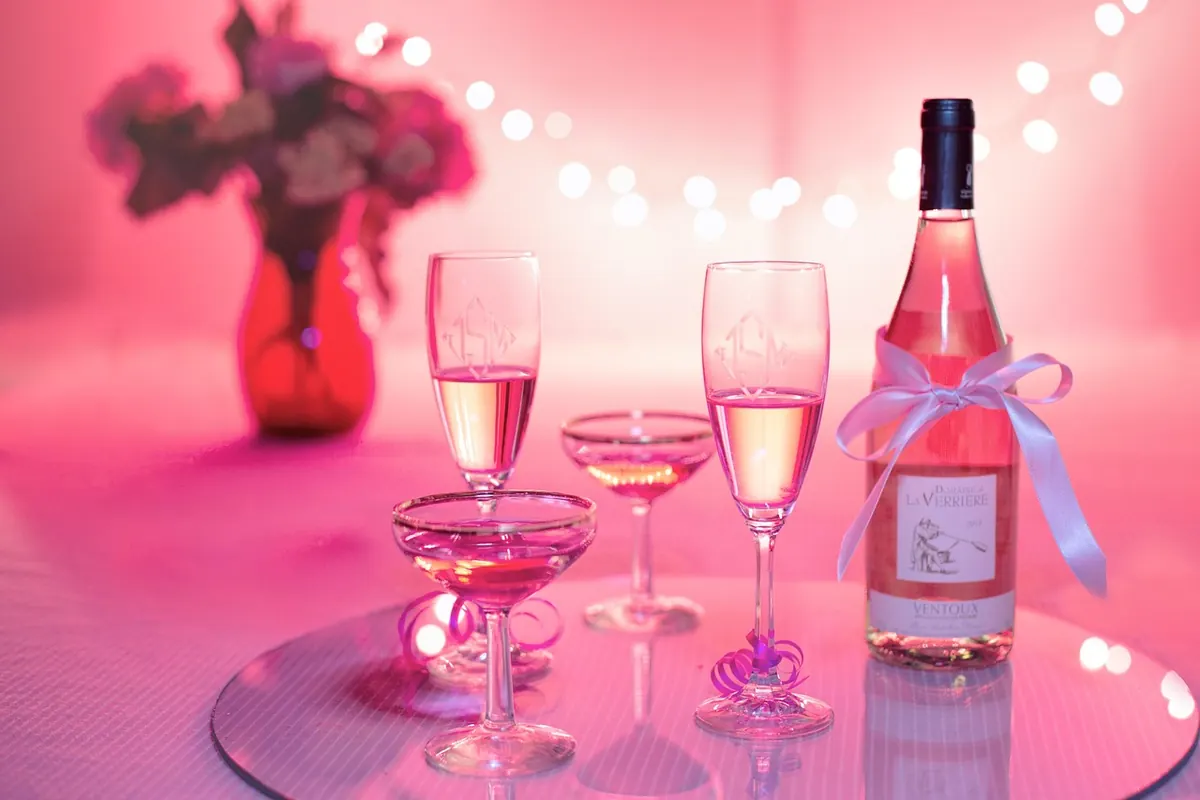
Photo: JillWellington / Pixabay