

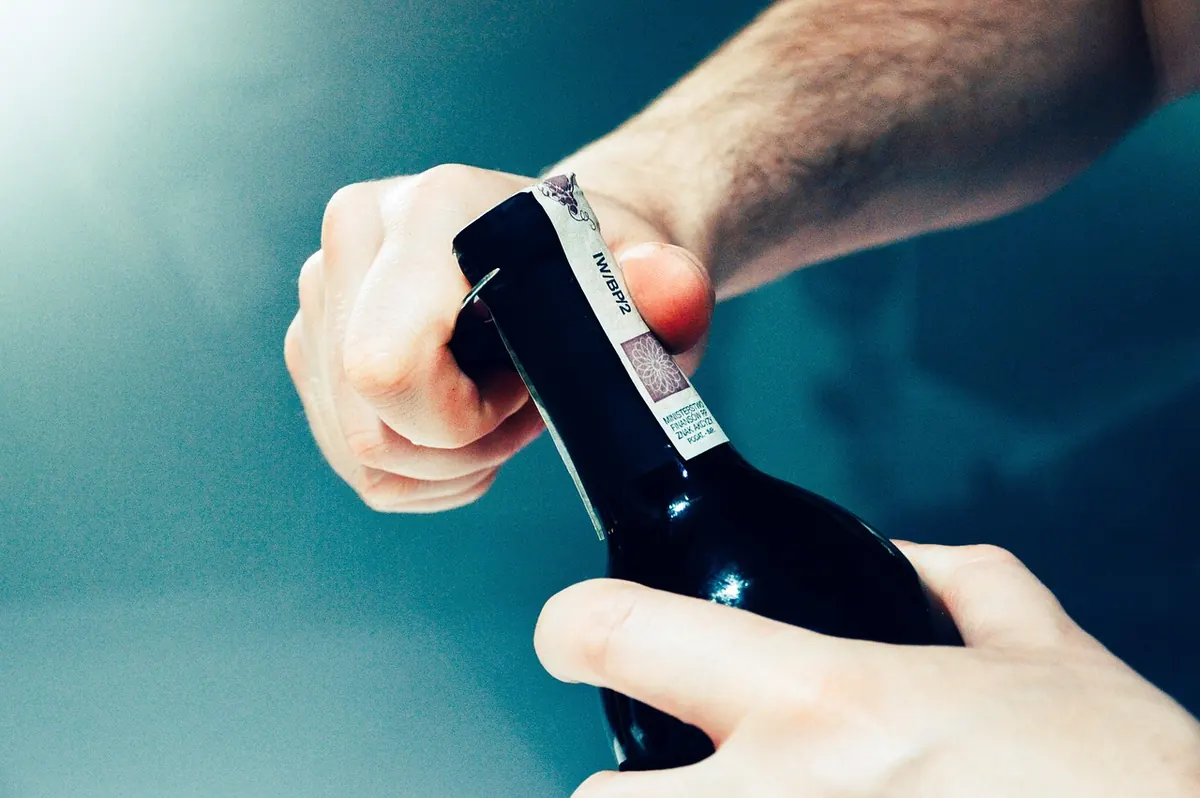


An open bottle on the kitchen counter is not a disaster. One night rarely ruins a sound wine, but a careless night can leave it dull, flat, or smelling of yesterday’s fruit. The fix is partly oxygen, partly temperature, and partly realistic expectations: no stopper makes a half-empty bottle taste newly opened. Still, some methods buy you a noticeably better glass the next day. Here are five common approaches compared on convenience, cost, and how well they keep a wine fresh until tomorrow.
What Overnight Exposure Actually Does
Oxygen is the main actor. Once a bottle is opened, the wine meets air, and the compounds that give it fresh fruit and lift begin to change. A little air can soften a tight red; too much, especially in a bottle with a lot of headspace, makes it taste tired. Headspace is the empty space between the wine and the stopper. The larger that space, the more oxygen is available to keep reacting with the wine. That is why a nearly full bottle often survives overnight better than a bottle with one glass left in the bottom.
Warmth speeds that process, which is why the refrigerator is such a useful tool even for red wine. Cold slows oxidation and helps keep volatile aromas in place. A young Cabernet with firm tannin may actually soften a little overnight, while a delicate Pinot Noir or an aromatic white can lose its perfume faster. For one overnight stay, most sound wines can come back after a short chill and a little warming in the glass. For longer storage, the margin narrows quickly. Sparkling wine has a separate problem: it is losing carbon dioxide as well as reacting with oxygen, so pressure matters as much as temperature.
No stopper makes a half-empty bottle taste newly opened; the goal is to slow decline, not reverse it.
Five Methods, Compared
These methods were judged on three things: convenience, cost, and freshness. No method is perfect, and none reverses oxidation that has already happened. The best choice depends on whether you care most about speed, spending, or the quality of tomorrow’s glass.
- Convenience: how quickly you can seal the bottle and move on.
- Cost: what you need to buy and keep on hand.
- Freshness: how well the wine tastes the next day.
1. Original Cork or Screw Cap, Plus the Fridge
For still wine, this is the default for good reason. Push the original cork back in firmly, or screw the cap on until it seats. Stand the bottle upright in the fridge. Upright keeps the wine’s surface area smaller and reduces the chance that the stopper touches the wine, which is especially useful if the cork is slightly stained or loose. It also keeps sediment settled, which matters for older reds. Cold slows oxidation and helps hold volatile aromas in place.
For reds, take the bottle out 20 to 30 minutes before serving, or pour a glass and let it warm in the glass. For whites, keep the bottle cold until you pour. A half-full bottle of unoaked Chardonnay or a simple Merlot will usually be pleasant the next day; a fragile aged wine may still fade. If the original cork is broken or does not seal tightly, use a clean screw cap from another bottle or a simple silicone stopper.
Convenience: highest. Cost: zero. Freshness: moderate to good for one night, but less reliable when the cork is loose or the bottle has a lot of headspace.
Best for: the ordinary bottle you plan to finish tomorrow.
2. Vacuum Pump Stopper
A vacuum pump uses a rubber stopper and a small hand pump to pull some air out of the bottle. It is inexpensive, reusable, and easy to store in a drawer. It works best on sturdy still wines and on bottles that still have a fair amount of wine left. It is less suitable for very delicate or older wines, where the suction and the handling can strip away some of the subtle aromas. Do not use a vacuum pump on sparkling wine; it can pull out the carbon dioxide you are trying to keep.
Convenience: high, though it takes a few extra pumps. Cost: low to moderate. Freshness: good for one night and often acceptable for a second, especially with reds and robust whites.
Best for: a half-full bottle of everyday red or white when you want a simple gadget on hand.
3. Inert Gas Spray (Argon or Nitrogen)
An inert gas spray sends a layer of heavier-than-air gas into the bottle before you seal it. The gas forms a blanket over the wine and displaces oxygen, which is why this method is common in restaurants and tasting rooms. It works well for half-empty bottles because it protects the surface directly. Use it according to the canister instructions, keep the bottle upright, and seal it immediately after spraying. Avoid shaking the canister and keep it away from heat.
Inert gas is more expensive than a vacuum pump, but it is fast and does not require special bottles. It is excellent for an overnight stay, and it can help for a few days, though it is not a cure for a wine that is already oxidized. It is also not the right tool for sparkling wine unless the product is specifically designed for it.
Convenience: very high. Cost: moderate to high over time. Freshness: very good for one night, especially in a bottle with low fill.
Best for: a good bottle you want to protect without decanting or transferring it.
4. Transfer to a Smaller Bottle
Pour the leftover wine into a clean, smaller bottle or a mason jar and fill it as close to the brim as possible. A 375 ml bottle is ideal for half a standard bottle. Less headspace means less oxygen in contact with the wine, and a tight seal keeps new air out. Use glass rather than plastic for anything beyond a quick overnight stay, and make sure the vessel is clean and dry. Label it if you are saving more than one wine.
This method is cheap and effective, but it requires cleanup and another container. It works for reds and whites alike and is one of the most reliable no-gadget options for keeping a wine for two or three days. The main mistake is leaving too much air at the top or using a container that still smells of soap or last week’s sauce.
Convenience: moderate; it takes a minute and creates a dish to wash. Cost: low. Freshness: very good, often better than a simple cork in a half-empty bottle.
Best for: a bottle with a small amount left and no preservation tools nearby.
5. Sparkling Wine Stopper (for Bubbles)
Sparkling wine needs a different approach because the goal is to keep carbon dioxide dissolved. A dedicated sparkling stopper with a clamp or locking mechanism grips the bottle neck and holds pressure better than a plain cork. Keep the bottle very cold; cold liquid holds gas better than warm liquid. Do not use a vacuum pump, and do not leave the bottle uncorked on the counter while you finish dinner.
A good sparkling stopper can keep a bottle lively overnight, though it will not match a freshly opened bottle. Expect a little less fizz and a slightly softer texture the next day. For Prosecco, Cava, or Champagne, this is far better than a loose cork or a piece of plastic wrap.
Convenience: high once you own the stopper. Cost: low to moderate. Freshness: good for bubbles overnight, fair for a second day.
Best for: any sparkling wine you cannot finish in one sitting.
A Quick Decision Guide
If you have one bottle and one night, the original cork or screw cap plus the fridge is usually enough. If you have half a bottle and want a better result, choose inert gas or transfer the wine to a smaller bottle. If you own a vacuum pump, it is a fine everyday option for sturdy still wines. If the bottle is sparkling, use a clamp stopper and keep it cold.
- One glass left, one night: transfer to a small jar or bottle, seal, and refrigerate.
- Half bottle left, two days: inert gas or a smaller bottle gives you the best odds.
- Everyday red or white: original cork plus fridge is simple and often sufficient.
- Sparkling wine: use a dedicated sparkling stopper and keep it cold.
- No gadgets: the smaller-bottle method costs nothing and works well.
Common Mistakes That Shorten Overnight Life
Most damage comes from small habits rather than bad luck. Leaving a bottle on a warm counter, in a sunny window, or in a wide decanter gives oxygen and heat more time to work. A loose cork or a screw cap that is not fully seated lets air in all night. Using a vacuum pump on sparkling wine can flatten it, and transferring wine into a container that is not clean can add off-flavors.
- Storing reds at room temperature: the fridge is better even for red; warm the glass, not the bottle.
- Leaving the bottle on its side: upright is usually safer for an open bottle and a loose cork.
- Overfilling a vacuum-sealed bottle: wine can be pulled toward the stopper; leave a little room.
- Expecting a miracle: a wine that was already tired before dinner will not improve overnight.
With realistic expectations and one decent habit, an open bottle can still be worth pouring tomorrow. The best method is the one you will actually use before you leave the kitchen.
Photo: fancycrave1 / Pixabay