

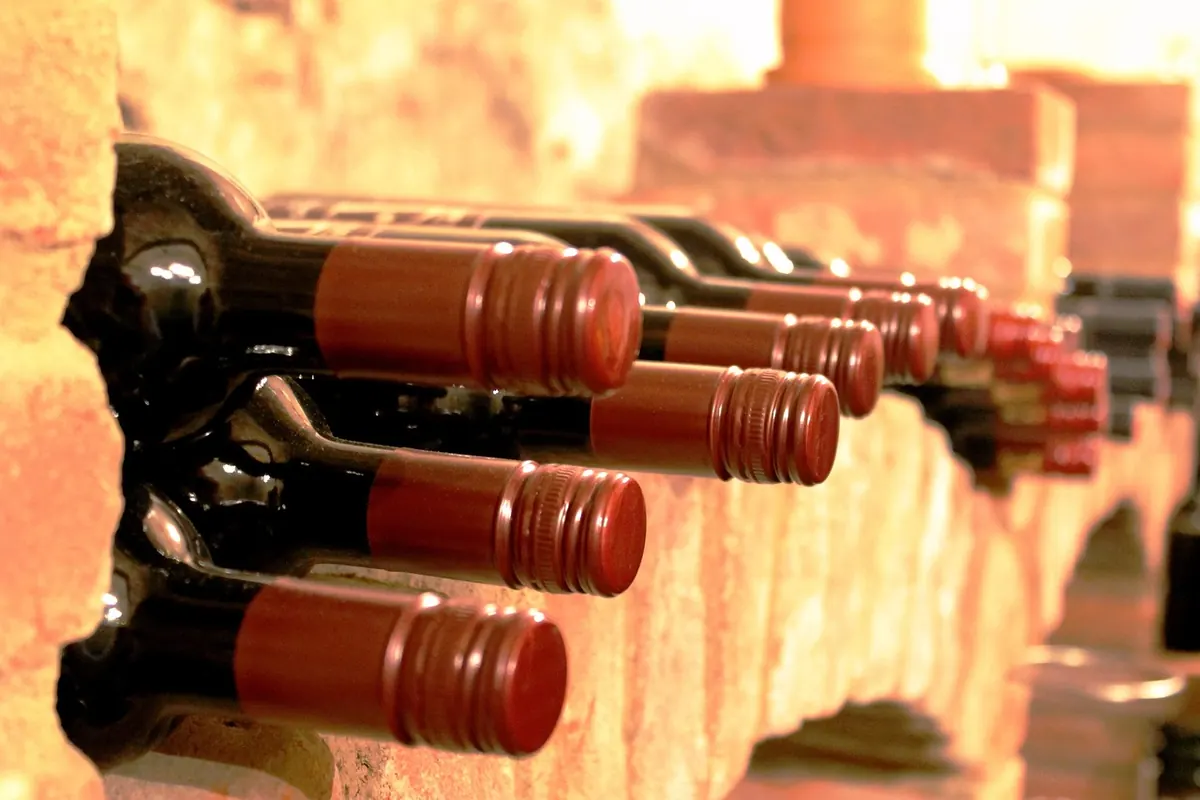
A cellar is the one room at a winery where the wine does most of the talking. It is cool, dim, often a little damp, and lined with barrels or bottles that have been waiting patiently for someone to open the door. Guests usually arrive dressed for a sunny terrace and step into something closer to a cave. Most of the small etiquette questions that come up on a cellar tour begin there, with the temperature, the floor, and the fact that you are standing in a working room rather than a showroom. What follows is the practical version: what to wear, what to ask, how to handle a camera, and the handful of habits that quietly annoy the people showing you around.
Dress for the Cellar, Not for the Photograph
Underground rooms stay cool all year. Depending on the region and how deep the building goes, expect somewhere around 10 to 14°C, with high humidity and floors that may have been hosed down an hour before you arrived. A linen dress and sandals are perfect for the vineyard and miserable twenty minutes later. The fix is simple: dress in layers you can add and remove, and treat the visit as a walk through a cool basement rather than a photo shoot.
A short list worth checking before you leave
- Closed shoes with a grippy sole. You will meet wet concrete, stone stairs, and gravel yards.
- A light jacket or sweater that fits comfortably under a coat.
- Long trousers, or at least something you won't mind brushing against damp stone.
- A bag you can wear across your body, so your hands are free on narrow stairs.
- Nothing that dangles: loose scarves, long necklaces, open sleeves near barrels and bottling lines.
- No perfume, cologne, or heavily scented hand cream.
That last point deserves a sentence of its own. Strong scent blunts your own ability to smell the wine, and in a small, still room everyone else experiences it too. Save it for dinner. Leave the high heels at home as well, partly for safety and partly for noise: cellars carry sound, and hard soles on a metal grate can be heard three rooms away. If you feel the cold, a thin pair of gloves in a deep winter cellar is not ridiculous.
Arrive on Time, Stay With the Group
Cellar tours run on a schedule because the host has samples to pour, tanks to check, and often another group behind you. Arriving ten minutes early is useful; arriving twenty minutes late usually means missing the first barrel and disrupting everyone who made it. Once the tour starts, stay with the group. Production areas are not a museum: there are forklifts, wet floors, open hatches, hoses under pressure, and hot water lines. A host has a route for a reason, and wandering into the next aisle to look at a tank is how people get hurt or get in the way.
Keep your hands to yourself, too. Barrels breathe, they are marked with chalk, and the oils from your fingers settle on glass and labels. Lean on the wall rather than on a stack of bottles, and if you want a closer look at a particular barrel, ask. Nine times out of ten the answer is yes, and the host will tell you something about it that you would never have guessed.
Questions That Open Doors
Good questions are specific and generous. They give the host something to answer with a story instead of a brochure line. The difference between a curious guest and a testing one is small: curiosity asks how a decision was made, testing asks why the wine isn't more like something else.
Ask about choices, not about scores. Choices have stories behind them.
- How old are these vines, and what has changed in the vineyard over the last decade?
- Which recent vintage was the hardest, and what did you do differently?
- How do you decide which barrels go into the top wine?
- When do you pick this variety, and who makes that call?
- What is fermenting right now, and when will it be ready?
- Which wine here do you actually drink on a Tuesday?
That last question sounds light, and it is, but the answer often tells you more about a cellar than a technical lecture. What to avoid: quizzing the host on scores, comparing the wines to a famous producer, or asking about commercial matters they clearly can't discuss, such as prices paid to growers or unannounced plans. "What's your best wine?" is fine if you are genuinely asking, but delivered in a challenging tone it sounds like a trap. And if you are in a group, ask so others can hear. A whispered side conversation with the winemaker while the rest of the tour waits is the fastest way to become the guest people remember for the wrong reason.
Cameras, Phones, and Flash
Ask before you photograph people, and ask before you photograph in a restricted room. Some cellars welcome pictures, others ban flash because it flattens the room and distracts everyone in it, and many restrict photography during harvest or in areas where staff are working. Watch for signs and follow them without debate. Keep your phone on silent; if it rings, let it go and step outside to call back rather than holding a conversation in a space where every word carries.
Take the shot and move on. Blocking a narrow aisle for a composition, shifting bottles or tools to improve the frame, or parking your glass on a barrel so you can use both hands are all small things that cost a host time and patience. Drones and tripods need permission, always.
At the Barrel: Tasting Manners That Matter
Hold the glass by the stem or the base, not the bowl, especially in a cold room where your hands are warmer than the wine. Spit if you want to. The dump bucket exists for exactly that reason, and no one is counting. If you are driving, spit every time and say so at the start; hosts respect it. Never help yourself from a tap or a barrel, and don't put your nose into an open bung hole, which is mostly headspace gas and not the way anyone tastes wine. Wait for the glass to be handed to you, and don't pour unfinished wine back into anything.
If you would like to rinse your glass between wines, ask first. Some hosts will hand you a small jug of water, others prefer you simply let the last drops go. Water and bread are there for your palate and your hydration; use them. And if a sample is clearly limited, don't angle for a second pour while the rest of the group is still holding their glasses.
Small Habits That Leave a Bad Impression
- Wandering ahead of the group or lingering far behind it.
- Touching barrels, taps, bottles, or equipment without being invited.
- Flash photography in a dim cellar, or filming staff without asking.
- Taking a phone call where everyone can hear it.
- Cornering the host with questions while they are mid-sentence.
- Complaining about the temperature, the smell, or the stairs.
- Bringing in outside food or drinks without checking first.
Before You Go: A Short Practical Checklist
Confirm your booking the day before and mention any mobility needs when you book, since many cellars involve steep stairs and uneven floors. Arrive ten minutes early, wear layers and closed shoes, and carry a small bag. Write down the wines you liked on your phone once you are back in the courtyard rather than in the middle of the tour. Decide who is driving before the first glass, and plan to spit if it's you. If a guide made your visit better, a sincere thank you goes a long way, and buying a bottle you genuinely enjoyed is a fine way to end the afternoon, never an obligation. The cellar will still be cool when you leave; the point is to make the hour inside easy for everyone, including the people who work there every day.
Photo: Arno_M / Pixabay